

When Should You Be Using a Rock Auger Bit?
Trying to drill through tough materials like concrete or solid stone with a standard drill bit often results in slow progress, potential damage to your tools, and reduced efficiency. When these issues arise on larger excavation or construction projects, they can quickly escalate into costly delays.
Understanding when it’s time to choose a rock auger bit is the difference between a smooth project and a problematic one. Rock augers are built to handle dense substrates that render ordinary bits ineffective.
Read on, and we will help you identify situations where a rock auger bit is essential, highlight the differences from typical earth augers, and offer practical advice for safe operation and maintenance.
What Makes a Rock Auger Bit Unique?
Before jumping into specific situations for their use, let’s clarify what sets a rock auger bit apart. These bits are engineered for drilling into hard, abrasive surfaces that would quickly wear out or destroy standard earth augers. While regular auger bits work well for loose soil or clay, they simply aren’t strong enough for harder terrain.
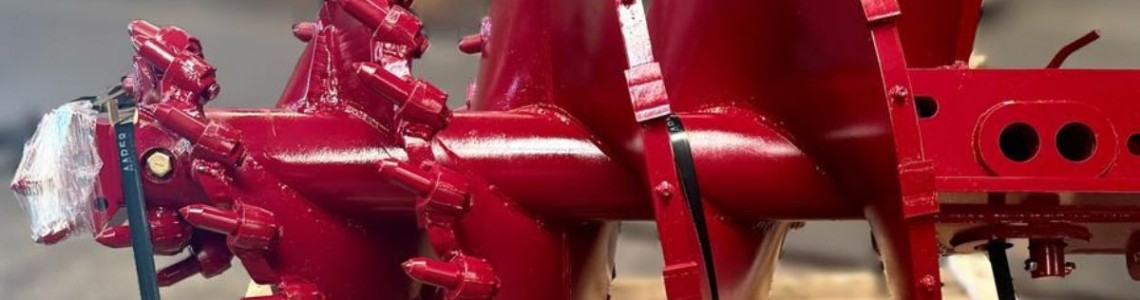
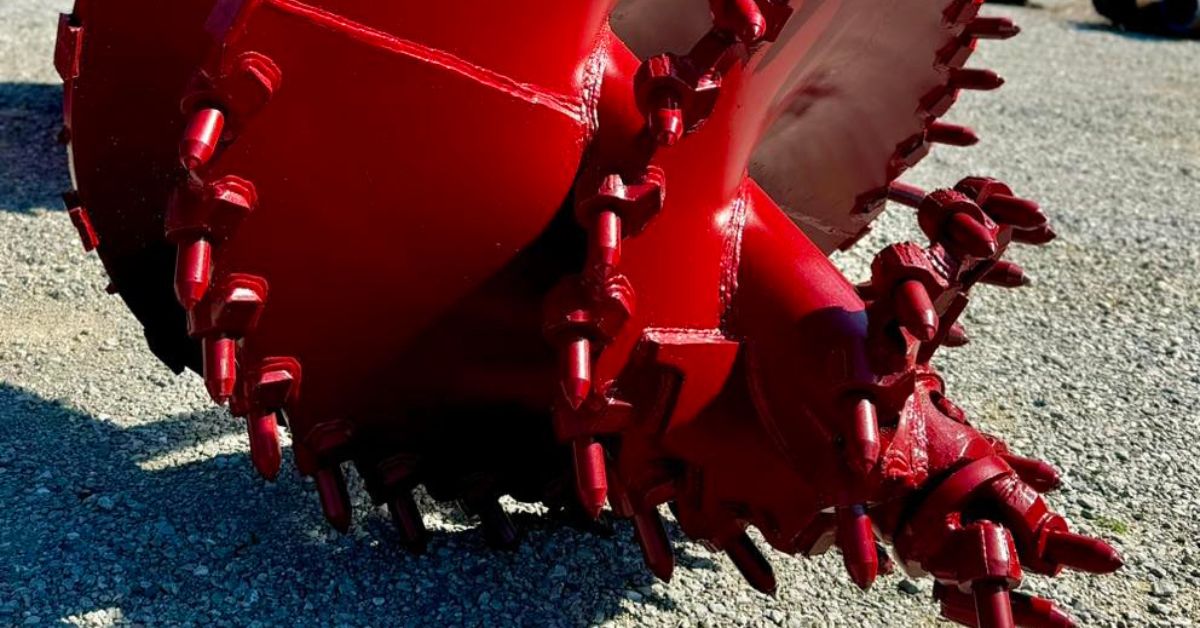
Typically, rock auger bits come with robust, high-strength construction, often including carbide teeth, sometimes called bullet teeth, designed to crush and fracture rock, not just scoop up loose earth. The flights (the spiral part that moves excavated material upward) are also reinforced for extra durability, helping them withstand the additional pressure and torque required when drilling into rock or similar hard materials.
Comparing Earth Augers and Rock Augers
The real difference lies in the design of their cutting edges. Standard earth augers usually have flat or only slightly pointed teeth, efficient at slicing through soft soil but not well-suited for tougher layers. Meanwhile, rock augers are equipped with pointed, conical, or bullet-style teeth set at various angles to chip away at rock surfaces.
If you try using a regular earth auger on stone, you’re likely to dull or damage the bit rapidly. Conversely, using a rock auger for soft ground generally isn’t efficient; the aggressive teeth aren’t optimized for moving loose soils, and you may waste extra effort without gaining speed.
When To Reach for a Rock Auger Bit
Don’t leave it to chance when assessing ground conditions! If you encounter any of these scenarios, a rock auger bit is the safest bet for your equipment and schedule.
Drilling Into Solid Rock
When faced with tough formations like limestone, shale, granite, or sandstone, ordinary auger teeth won’t last. Projects that involve boring foundation piers, utility poles, or any deep hole in rocky conditions call for the durability and chipping power of a rock auger.
Cutting Through Concrete or Asphalt
Urban construction often requires penetrating man-made surfaces, such as concrete pads or asphalt pavement. Tasks like installing bollards or fencing in these settings can damage a standard auger. Only the grinding power of a rock auger can reliably handle these dense surfaces.
Tackling Frozen or Frost-Hardened Ground
Cold weather can harden the ground to the consistency of concrete. Frost can reach deep beneath the surface, making excavation challenging. By using a rock auger’s tough teeth and reinforced build, you can cut through frozen layers much more effectively than with a softer earth bit.
Breaking Up Caliche, Hardpan, and Compact Soil
In some regions, soil types like caliche become solidified by minerals, essentially turning into natural, cement-like rock. Hardpan clay is similarly dense and impervious to standard tools. Rock augers are designed to grind up and pulverize these rigid layers, allowing your project to proceed.
Navigating Heavy Equipment-Compacted Soil
Repeated use of construction machinery can pack down soil, making drilling with a regular auger slow and frustrating. If you notice your existing bit is spinning uselessly at the surface, switching to a rock auger can resolve the problem by penetrating compacted soil.
Choosing the Right Rock Auger Bit
Not all rock augers are the same, so pay attention to certain features to make sure your equipment matches your project’s demands.
Tooth Design
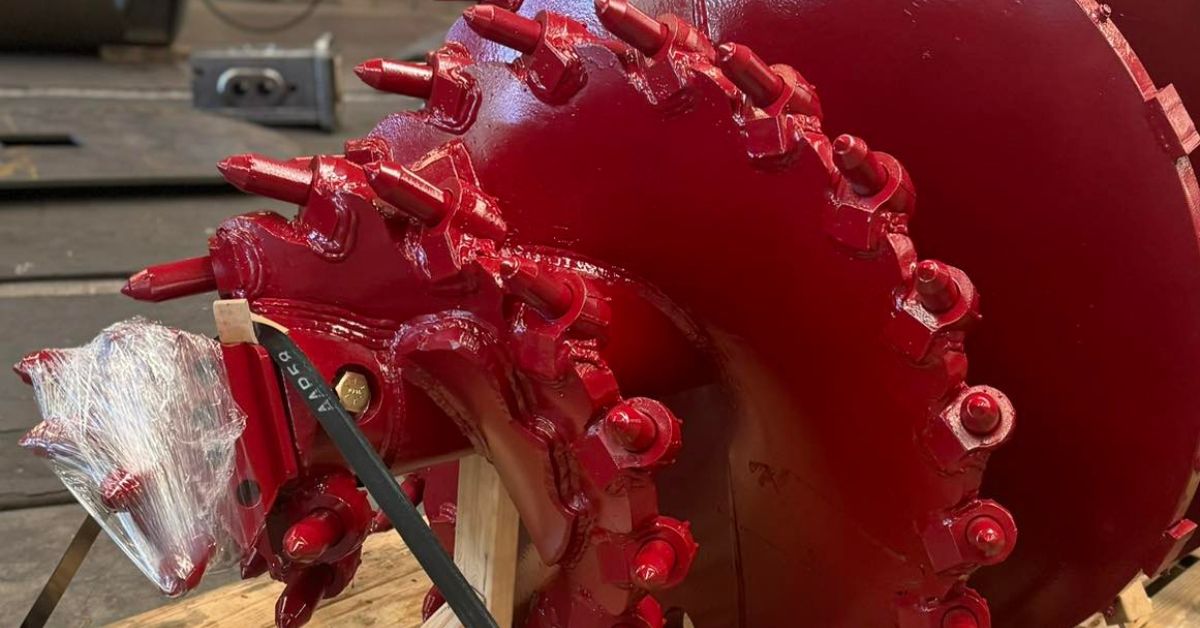
Look for bits with carbide-tipped bullet teeth; these are the industry standard for tackling rock. Their ability to rotate in the socket helps them wear down evenly, improving tool longevity. For especially abrasive ground, more advanced carbide options are available.
Flight Reinforcement
Examine the thickness of the auger’s flights. Drilling through abrasive material can rapidly erode thin metal. Go for heavy-duty or double-flighted models to prolong lifespan and ensure more efficient debris removal.
Attachment Compatibility
Confirm that the auger bit’s hub or drive matches your equipment. Hex drive hubs resist stripping under pressure, but round connections are also available. Always check compatibility before purchase or installation.
Operational Tips for Rock Auger Bits
Having the right tool means little if used incorrectly. Proper operation and maintenance are vital for the team’s safety and tool longevity.
Balancing Downforce and Speed
It might seem logical to increase all available downforce and speed, but when boring into rock, slow and steady works best. Apply just enough pressure to engage the teeth without stalling the motor or snapping parts, and keep drill speed moderate to avoid overheating the carbide.
Keeping the Pilot Bit in Shape
The pilot bit leads the way, helping stabilize the entire auger as it drills. If the pilot becomes too worn, the auger won’t cut efficiently or safely. Always inspect and replace pilot bits regularly for the smoothest operation.
Cleaning and Ongoing Care
Drilling into abrasive materials, such as rock or concrete, can leave behind residue that accelerates wear. After each use, clean the auger thoroughly and ensure that any dust or debris doesn’t harden around the teeth. Keeping the teeth spinning in their sockets and free of obstructions maximizes their life.
Getting the Most From Your Investment
Rock augers are more expensive than earth augers, so it’s important to protect your investment. Rotate the bullet teeth regularly to wear evenly, and keep spare teeth and pilot bits on hand to minimize downtime when replacements are needed.
Need some replacement foundation tools to keep your project moving? Jeffrey Machine has a full line of rock auger teeth and pilot bits for all ground conditions. Our high-quality replacement parts will help you minimize downtime and get the most out of your equipment. Contact us today to order your spare parts and stay prepared for any challenge.
Utilize the Right Tools
Drilling projects rarely go exactly as planned. Unexpected stone, compacted layers, or even old pavement can halt progress with the wrong equipment. Knowing when to switch to a rock auger bit ensures your machinery remains in good shape and your project stays on track. By paying close attention to ground conditions, selecting the right auger, and adhering to operational best practices, you’ll complete each job efficiently and safely.