
How To Choose the Right Foundation Drilling Equipment
11 Jun
Posted By
0 Comment(s)
2 View(s)
Utility drilling equipment choices influence cost control and schedule control on every job. When you match equipment to the design and the site conditions, the crew drills cleaner holes and avoids corrective work. When you mismatch the setup, resistance builds faster than expected, and production slows.
For that reason, you should select equipment by tracing how the ground and the foundation requirements will affect drilling behavior. Here is how to choose the right utility-drilling equipment to keep the project moving.
Start With the Hole Requirements
You should begin with the hole because every downstream choice depends on it. A clear diameter requirement points you toward the right tool class, which in turn determines torque requirements. Depth requirements then affect guidance needs and cycle time because deeper work increases the risk of deviation. Once you define tolerance expectations, you can predict how much control the rig must provide to avoid reaming and cleanup delays.
Confirm Diameter and Depth Targets
Diameter drives tool selection because it sets the cutting area, spoil volume, and load demand. As the diameter increases, the drill must sustain higher torque to maintain steady rotation under load. If the plan requires overdrill for cleanup, that extra depth also extends the time each hole stays open, which can affect stability.
Let the Ground Conditions Drive Capability
Ground conditions decide how hard the tool must work and how stable the hole will remain. Use the geotechnical report as a guide, then plan for increasing resistance with depth. When you size equipment for the toughest layer, you protect production rate across the entire site.
Forecast Resistance From the Soil Profile
Dense clay increases cutting resistance, raising torque demand and slowing penetration if torque falls short. Coarse layers increase tooth wear, which reduces bite, and that reduction raises load as the tool works harder to cut. By forecasting resistance, you can choose tooling and power that keep the cut stable instead of reactive.
Plan for Water and Wall Stability
Water changes can spoil behavior, reducing bottom cleanliness and extending cleanup time before placement. When the hole remains open longer due to cleanup, wall sloughing becomes more likely in weaker soils. Casing or stabilizing methods can interrupt that chain by supporting the wall and protecting the geometry. If you plan these controls early, you avoid emergency recoveries that can consume an entire shift.
Use Augers When Spoil Handling Sets the Pace
Augers lift spoil up the flight as the tool turns, keeping the work area cleaner and reducing rehandling. Less rehandling shortens cycle time because the crew spends fewer minutes moving piles out of the way. Cleaner drilling zones also support safer movement because operators and spotters navigate around fewer obstacles. When spoil control improves, the crew can keep a steadier rhythm from hole to hole.
Using Casing or Buckets
Unstable ground can collapse after the tool lifts, altering the diameter and reducing hole quality. Casing supports the wall, preventing diameter loss that would otherwise require rework. Buckets can improve bottom condition by removing loose material that settles back into the bore. This method can slow individual cycles, but it often saves time overall by preventing failed holes.
Match Torque and Crowd to Drilling Load
Machine capability matters most when the tool meets the hardest resistance, not when it cuts easy top layers. Torque supports steady rotation, reducing chatter and protecting alignment. Crowd helps the tool advance, but an excessive crowd can bind it and cause stoppages. You should choose a setup that maintains control under load, as control prevents rework that breaks schedules.
Size Torque to Hold Rotation Under Load
When torque falls short, the tool slows, then grabs, and that grabbing can trigger vibration. Vibration can push the tool off line, causing it to lose plumb and requiring corrective drilling. Stable rotation keeps the cut predictable, and predictability reduces operator compensation that leads to errors. Adequate torque also protects wear parts because the teeth cut instead of skid.
Flighting That Clears Material Reliably
When spoil packs on the flight, drag increases, and increased drag raises the load on the drive. Higher loads can slow rotation and prolong the time the hole stays open, potentially increasing sloughing in weaker soils. Flighting that sheds material reduces drag, keeping rotation steadier and supporting cleaner holes. Cleaner holes reduce cleanup time, improving overall drilling efficiency and helping keep the project on schedule.
Teeth That Maintain Cutting Consistency
Teeth that dull quickly force the operator to increase pressure to maintain progress. That increased pressure raises heat and vibration, which can accelerate wear and reduce control. When wear accelerates, the crew spends more time swapping parts and less time drilling. Teeth that match the material profile hold a cutting edge longer, which keeps output steadier across the shift.
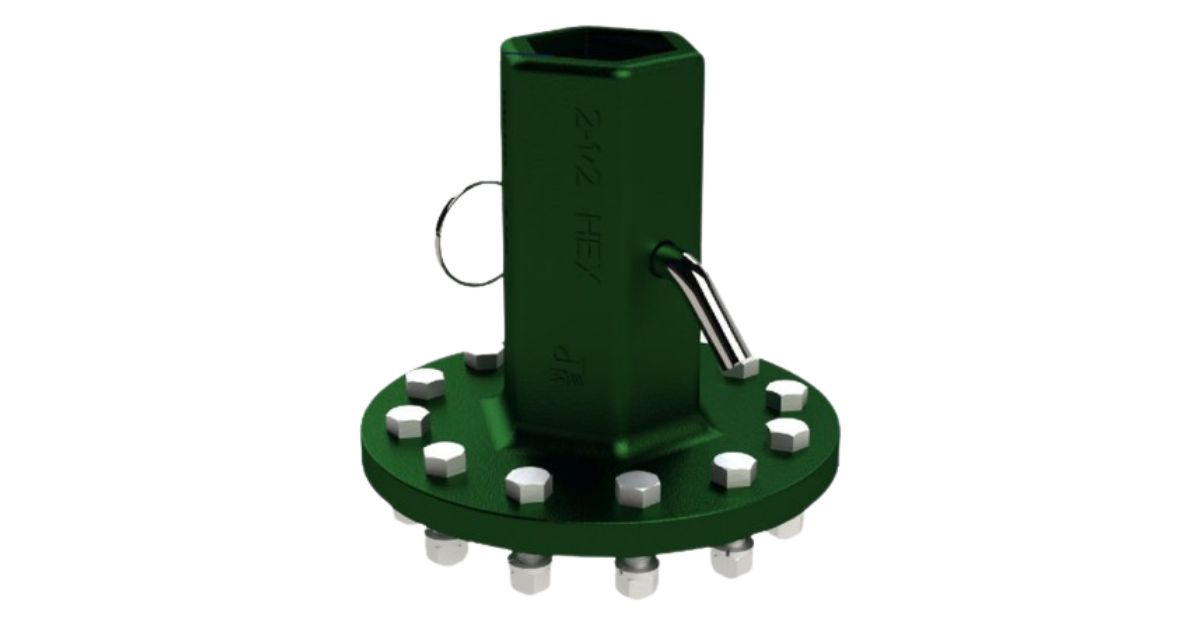
Use an Excavator-Mounted Setup
Excavator-mounted drilling systems can reduce repositioning time because the carrier can move quickly between locations. Reduced repositioning increases drilling minutes per hour, thereby boosting daily production. However, the carrier must deliver sufficient hydraulic capacity to maintain rotation under load, or quality can drop. When you verify stability and power early, you can capture mobility benefits without trading away control.
Plan for Kelly Bar Extensions
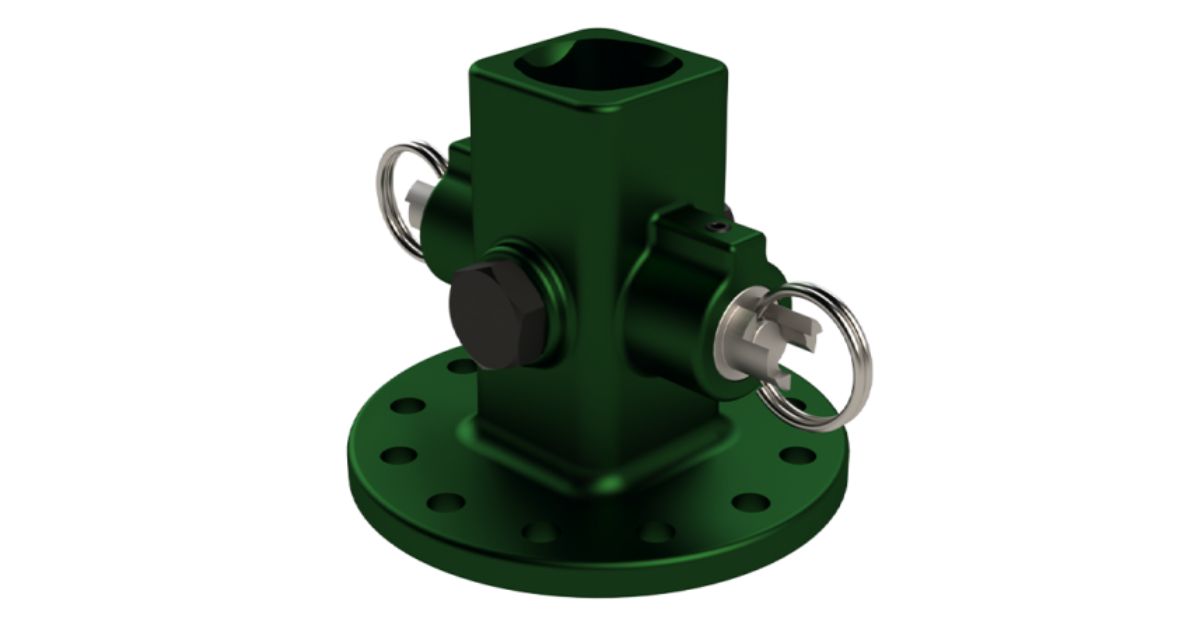
Deep drilling increases the value of guidance because small deviations grow with depth. A Kelly system provides the guidance that helps the tool hold the line under load. Kelly bar extensions add reach, allowing the rig to reach deeper design depths without compromising setup. You should plan these components early because they influence transport, setup, and cycle time.
Use a Kelly System to Improve Guidance at Depth
A Kelly bar guides the tool, reducing drift that can trigger corrective work. Less drift means less reaming, keeping the hole closer to spec and shortening cycle time. Improved guidance also supports steadier torque transfer, helping the tool cut rather than chatter. When control improves at depth, acceptance becomes easier because holes stay more consistent.
Keep Drilling Decisions Consistent
You can protect the schedule and quality when you choose drilling equipment based on how the ground will affect the hole. When you link soil behavior to tooling, machine control, and site workflow, you reduce the fixes that slow crews down. That approach also supports safer, cleaner drilling because the setup matches the real load at depth. Choosing the right utility drilling equipment should be a repeatable process that helps each job start stronger and finish with fewer surprises.
Jeffrey Machine offers Kelly bar extensions and more to keep your utility drilling consistent when depth starts to challenge control. The right extension setup helps you maintain guidance and steady torque transfer, reducing drift and limiting the corrective work that steals time on busy schedules. Visit our product page to see the options and find the right fit for your rig and your next project.