
How Augers Are Used in Mining and Excavation
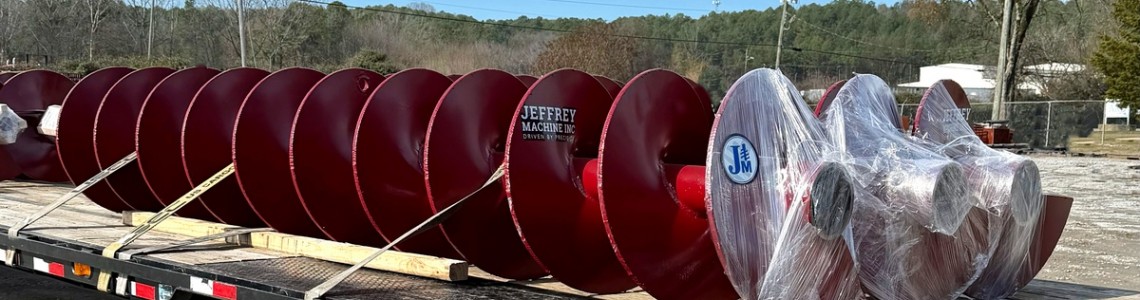
Mining and excavation teams need tools that move material efficiently while keeping grade, alignment, and sampling consistent. Augers meet that demand because they cut, lift, and control spoil in one continuous action. Crews rely on augers for everything from early-stage exploration to production support work around foundations and infrastructure.
When you match the auger design to the ground and the machine, you improve cycle times and reduce on-site rework. Read on and understand how augers are used in mining and excavation.
Exploration Drilling and Sampling With Flighted Tools
Exploration teams use augers to pull representative samples while maintaining a consistent borehole profile. The flight carries cuttings to the surface, enabling geologists to review changes in strata and material composition. Operators control depth increments and collection intervals so sampling aligns with the logging plan. That discipline supports better decision-making before crews commit to larger production moves.
Augers also help crews work in tighter access zones where larger drilling systems struggle to mobilize. A compact carrier with the right auger setup can move between pads quickly and drill multiple holes per shift. Teams often use that mobility to confirm target zones, validate prior data, or map variability across a site.
Overburden and Spoil Control During Excavation Support
Excavation teams use augers to create controlled bores that manage overburden and reduce unnecessary disturbance. The auger lifts material up the flight and places spoil in predictable piles for removal or staging. That spoil control helps crews keep haul routes clearer and reduces time spent rehandling loose material. Operators also limit overcutting because the auger defines the bore diameter from the first turn.
Crews often need quick holes for posts, barriers, drainage elements, and temporary supports around active excavation zones. Augers deliver those holes faster than hand digging and with more consistent geometry than improvised methods.
Foundation, Anchoring, and Ground Support Applications
Mining and heavy excavation sites rely on stable infrastructure, and crews use augers to support that stability through drilled foundations and anchors. Teams drill holes for piles, tiebacks, guardrail posts, and equipment pads that need consistent depth and alignment. Operators maintain plumb bores more easily when the auger holds a steady line through the cut.
Augers also support ground stabilization in areas that see vibration, repeated loading, and weather exposure. Crews drill for helical piles, soil nails, and anchoring systems that limit movement near critical assets. Operators can reach target depths quickly, helping crews keep grouting and placement on schedule.
Soil Remediation and Material Handling Workflows
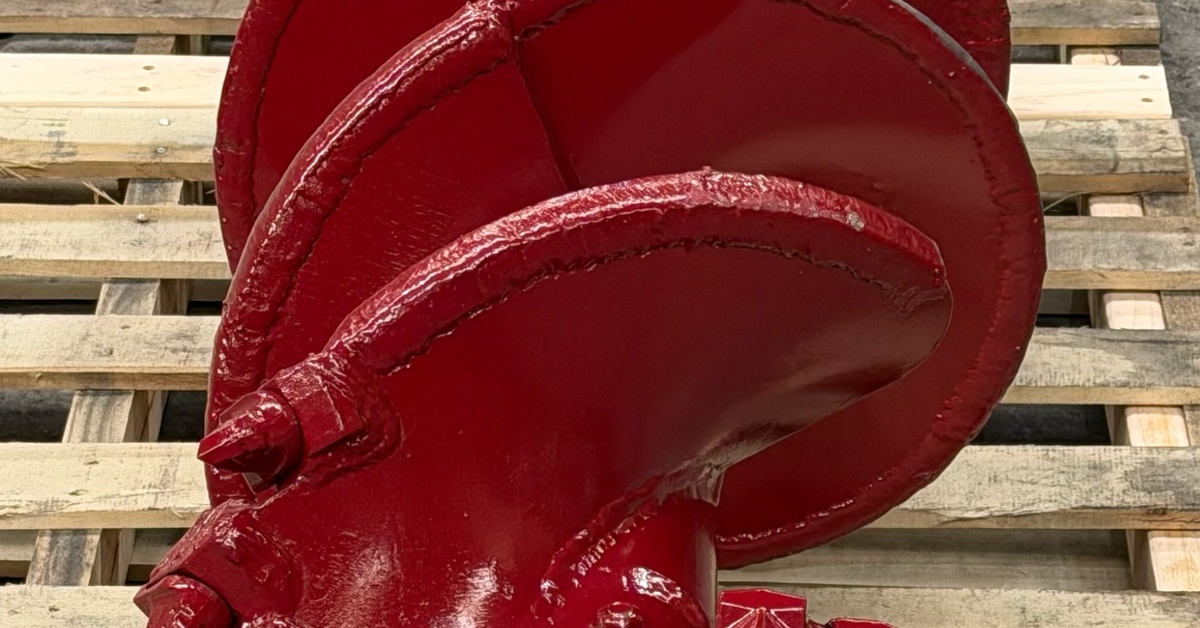
Environmental and remediation teams use augers to remove targeted soil zones without disturbing larger footprints. That targeted removal helps crews isolate contaminated material while keeping clean material intact. Operators can pull material in controlled lifts, which supports disposal tracking and reduces cross-contamination risk. This approach also helps teams restore the work area more quickly by limiting surface disruption.
Crews also use augers to support blending, mixing, and material conditioning processes in certain remediation plans. Operators can bore, lift, and relocate material in a repeatable pattern that supports consistent treatment coverage. Teams often pair augers with screening or separation workflows to manage oversized material and maintain fill quality.
Match Auger Design to Ground Conditions
Ground conditions drive performance, so crews need to match flighting and tooling to the material they expect to encounter. Operators use different tooth profiles for soft soils, compacted clays, mixed fill, and rockier layers that demand more aggressive cutting. The wrong setup slows penetration and increases heat, vibration, and wear on the drive system. The right setup improves bite, stabilizes the bore, and efficiently lifts spoil.
Teams also need to align machine hydraulics with auger torque requirements. A carrier that cannot deliver enough torque will stall, chatter, or drift off line in tougher formations. On the other hand, a carrier that overwhelms a light-duty auger can damage the flighting and shorten service life.
Use a Simple Selection Checklist Before You Mobilize
You can avoid most field frustrations by standardizing a pre-job selection check. That check keeps the auger aligned to the scope, the ground, and the machine that will drive it. Use this checklist to keep decisions consistent across crews and shifts.
- Confirm the target hole diameter and depth for every drilling task on the plan.
- Match teeth and cutting edges to the site’s soil and rock profile.
- Verify carrier torque, hydraulic flow, and mount compatibility.
- Plan spoil placement and hauling routes to prevent rehandling.
- Stock key wear parts and inspection tools for quick field swaps.
After you run the checklist, treat the first few holes as a performance test instead of a race. Operators should monitor spoil flow, penetration rate, and vibration levels as they adjust the technique. Supervisors should confirm the hole geometry and depth before the crew commits to the full production pace.
Safety and Productivity Through Operator Technique
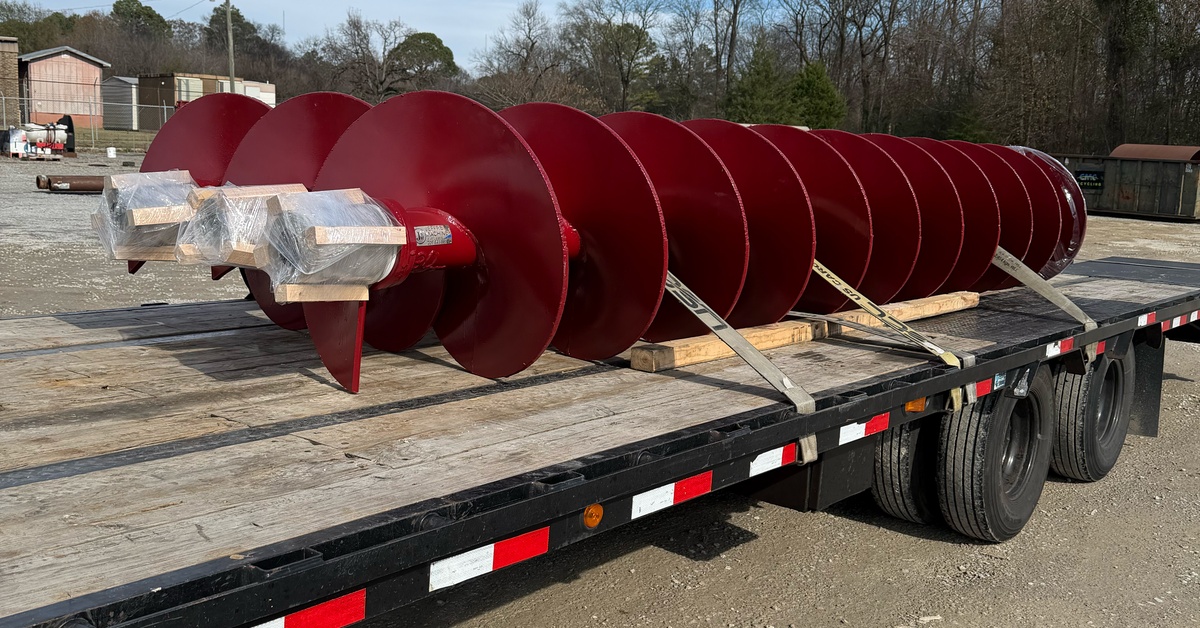
Operators drive both safety and output, so technique matters as much as equipment choice. Crews should keep people clear of rotating components and establish a clean work zone around the bore. Operators should manage downforce and rotation speed to maintain a steady cut and prevent binding. That control reduces kickback risk and protects the carrier from sudden load spikes.
Productivity improves when crews focus on consistency rather than maximum force. Operators can keep holes cleaner by lifting periodically to clear spoil and maintain bite, especially in sticky or layered material. Crews should also route cords, hoses, and spotters with clear communication so the operator never has to guess.
Maintenance Practices That Protect Uptime
Maintenance keeps augers reliable in the abrasive conditions created by mining and excavation sites every day. Crews should inspect flighting edges, tooth wear, and bolt tightness at the start and end of each shift. Operators should clean packed material off the flight before storage to prevent corrosion and imbalance from building up. That routine protects cutting efficiency and reduces vibration on the next run.
Teams should also track wear patterns to spot alignment problems and operator habits that shorten service life. Uneven wear can signal off-axis drilling, poor spoil clearing, or a mismatch between teeth and ground conditions.
Keep Drilling Performance Consistent Across the Site
Augers support mining and excavation through sampling, spoil control, drilled foundations, and targeted material handling, keeping crews on sequence. Understanding how augers are used in mining and excavation helps protect safety and productivity. When you standardize inspection and maintenance, you keep uptime high and prevent small wear issues from turning into shift-stopping failures.
Jeffrey Machine is an auger manufacturing company that offers tools designed to meet rigorous project requirements, with performance that supports real mining and excavation workflows. When your crews need consistent hole geometry, reliable spoil movement, and tooling that holds up in abrasive conditions, the right flighting, teeth, and build quality make a measurable difference in shift output. Share your target diameters, depths, ground profile, and carrier specs, and our team at Jeffrey Machine can help align the auger design with your field-drilling practices.