
Different Drilling Techniques for Drilled Shaft Construction
-1140x300w.jpg "Different Drilling Techniques for Drilled Shaft Construction")
Drilled shaft construction requires more than capable equipment and experienced crews. Success depends on selecting a drilling method that aligns with subsurface conditions and site-specific challenges that influence bore stability. When evaluating drilling techniques for drilled shaft construction, contractors must focus on how each method maintains control of the excavation before concrete placement. A well-planned approach reduces rework and ensures consistent shaft quality across the project.
Importance of Drilling Techniques in Drilled Shaft Work
A drilled shaft performs as intended only when the excavation remains stable long enough for cleaning, reinforcement placement, and concrete installation. The chosen drilling technique directly impacts the final shaft geometry. When the method does not match ground conditions, crews often encounter prolonged cleanup efforts. These issues can quickly disrupt schedules and increase project costs.
While subsurface reports provide a starting point, field conditions often introduce variables that require adjustments. Soil transitions and groundwater fluctuations demand flexible equipment.
Dry Drilling for Stable Ground Conditions
Dry drilling offers a straightforward approach when soil conditions allow the bore to remain open without support. Crews drill to the required depth, install reinforcement, and place concrete in a relatively dry environment. This method improves efficiency by eliminating the need for slurry management or casing installation, allowing for faster cycle times and easier visual inspection when conditions permit.
However, dry drilling requires careful execution. Even stable soils can deteriorate if the excavation remains open too long or if groundwater enters the bore. Operators must avoid aggressive drilling that disturbs sidewalls, as this can increase cleanup time and compromise shaft integrity.
When Dry Drilling Makes Sense
Dry drilling is best suited to cohesive soils with minimal groundwater influence. It is particularly effective for moderate shaft depths, where the bore remains stable throughout drilling and placement. Crews should continuously monitor conditions and be prepared to transition methods if stability begins to decline.
Cased Drilling for Bore Stability
Cased drilling introduces structural support to maintain bore integrity in unstable or water-bearing soils. The temporary or permanent casing prevents collapse and allows crews to continue excavation while preserving shaft dimensions. This method is especially valuable in loose soils or areas with significant groundwater presence.
Proper casing installation and removal require coordination. Crews must advance casing in sync with drilling progress to maintain protection at the correct depth. During extraction, implementing careful handling prevents soil disturbance that could compromise shaft quality. Although casing adds complexity, it often prevents costly delays caused by bore instability.
Why Casing Improves Control
Casing stabilizes the excavation, allowing crews to focus on drilling rather than recovery efforts. By maintaining bore shape and preventing collapse, it reduces the need for rework and supports consistent shaft construction in challenging conditions.
Slurry Drilling for Wet or Unstable Excavations
Slurry drilling stabilizes the bore using fluid pressure when the excavation cannot remain open on its own. Contractors typically use mineral or polymer slurry to support the sidewalls during drilling. Once the excavation is complete, concrete is placed to displace the slurry from the bottom upward.
This method demands strict quality control. Slurry properties must remain within specified limits to ensure proper support and prevent contamination. Poor slurry management can lead to sediment buildup at the base or weakened sidewalls, both of which affect shaft performance.
Managing Slurry Effectively
Crews must monitor slurry density and cleanliness throughout the process. Regular testing and cleaning ensure the fluid continues to support the bore without compromising the final structure. When managed correctly, slurry drilling provides a reliable solution for difficult ground conditions.
Wet Drilling With Tremie Concrete Placement
Wet drilling applies when water or slurry remains in the excavation during construction. After drilling and cleaning the shaft, crews place reinforcement and install concrete using a tremie system. The concrete flows from the bottom upward, displacing water or slurry without excessive mixing.
Maintaining proper placement technique here is critical. Crews must keep the tremie embedded in the concrete to prevent contamination and ensure continuous flow. Interruptions or improper positioning can weaken the shaft and lead to structural concerns.
Auger Drilling for Efficient Material Removal
Auger drilling remains a primary method for drilled shaft excavation due to its efficiency in removing soil. The auger’s flighting lifts material out of the bore as it advances, allowing for steady production in suitable ground conditions. Proper auger selection improves cycle times, maintains shaft diameter, and reduces loose material within the excavation.
Tooling plays a significant role in the performance of this technique. Flight design and tooth configuration determine how effectively the auger cuts and clears material. When the tool matches the ground conditions, operators achieve smoother drilling and better control.
Matching Auger Tooling to Conditions
Selecting the correct auger ensures consistent cutting and efficient spoil removal. Soil augers perform well in cohesive materials, while rock augers or carbide-equipped tools handle harder formations. In mixed ground, versatile tooling helps maintain productivity without frequent changes.
Bucket Drilling for Cleaning and Larger Shafts
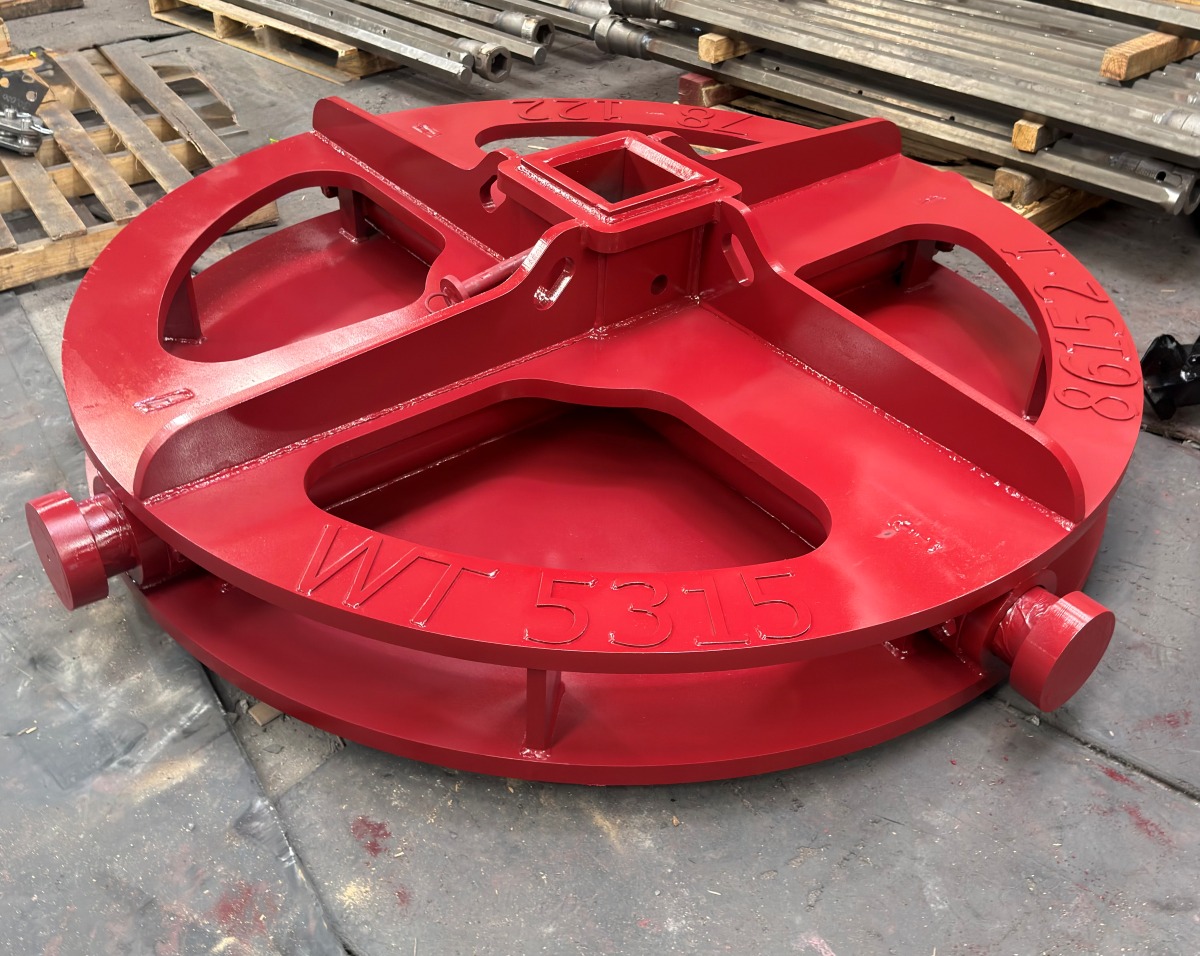
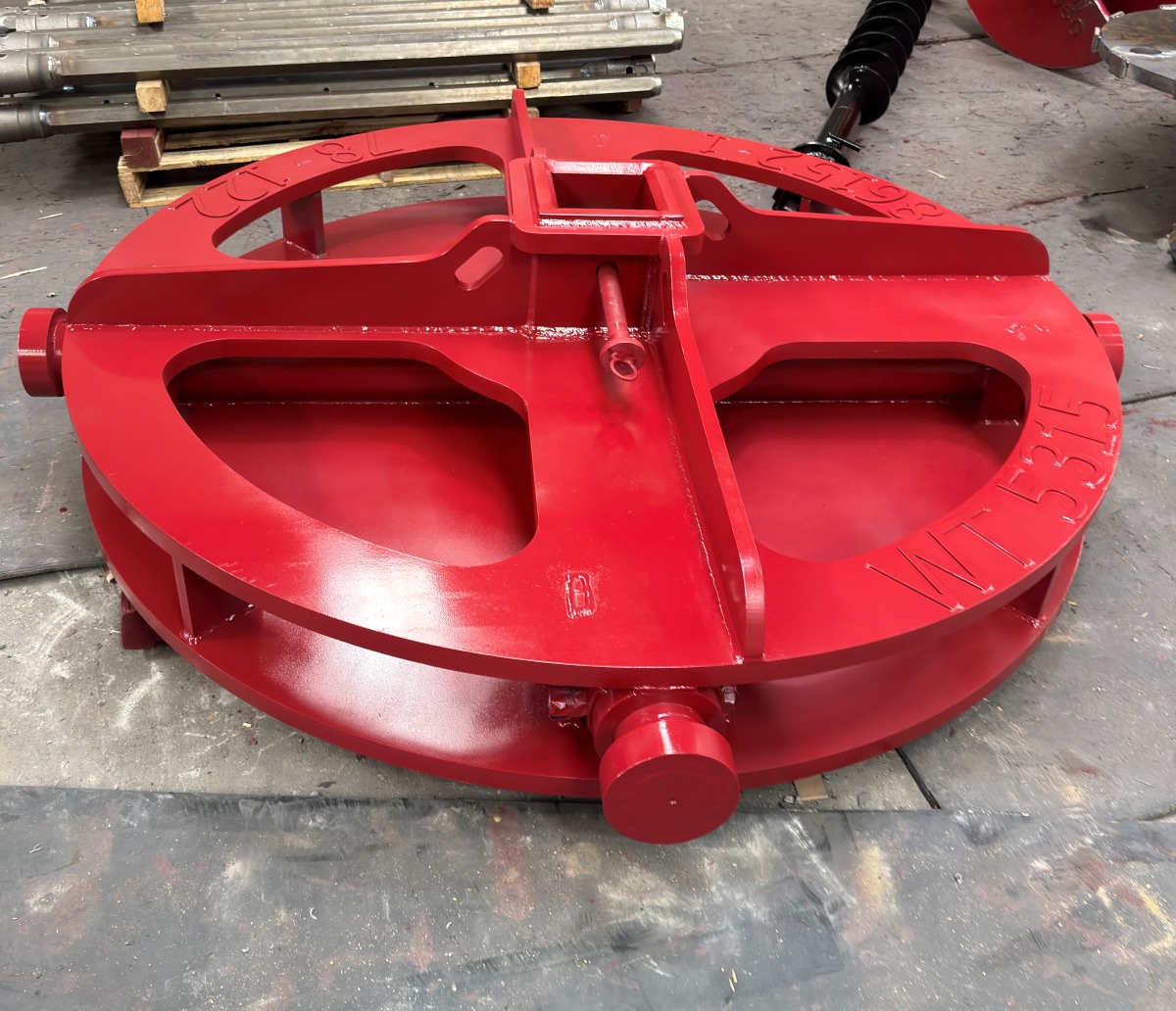
Bucket drilling provides an effective method for removing loose material and cleaning the base of larger shafts. The bucket collects soil or rock fragments within the tool, allowing operators to lift and empty material at the surface. This approach improves bottom cleanliness and supports inspection requirements.
Buckets also offer controlled excavation in conditions where aggressive cutting may destabilize the bore. However, efficiency depends on proper tool selection and material compatibility. Contractors must choose bucket designs that match shaft size and ground conditions to maintain productivity.
Core Barrel Drilling for Rock Sockets
Core barrels enable crews to drill into rock formations when augers cannot effectively penetrate them. The tool cuts a circular path around the rock, isolating a core that can be broken and removed. This method supports the creation of rock sockets required for load transfer in drilled shaft design.
Rock drilling requires precision and patience. Operators must maintain steady pressure and avoid excessive force that could damage tooling or disrupt the bore.
Importance of Specialized Rock Tooling
Rock sockets must meet strict design specifications, making tooling selection critical. Durable cutting elements and wear-resistant components ensure consistent performance under high stress. With the right setup, crews can maintain accuracy and efficiency in challenging rock conditions.
Tooling Support for Consistent Drilled Shaft Results
Drilled shaft construction relies on the connection between drilling methods and the tools that execute them. Even the most advanced rigs require properly matched augers to perform effectively. When tooling maintains its integrity under load, operators achieve better control and reduce unnecessary delays. Applying these different drilling techniques for drilled shaft construction with the right equipment ultimately leads to stronger, more dependable foundations.
Jeffrey Machine supports drilling operations with high-quality foundation tooling, such as the drilling bucket auger, built for demanding drilled shaft applications that require controlled excavation and cleaner material removal. When ground conditions change, the right bucket-style tooling helps crews keep the hole workable, rather than losing time to repeated cleanup. Explore our tooling options to find a drilling solution matched to your project requirements.