

Benefits of Using Augers in Housing Construction
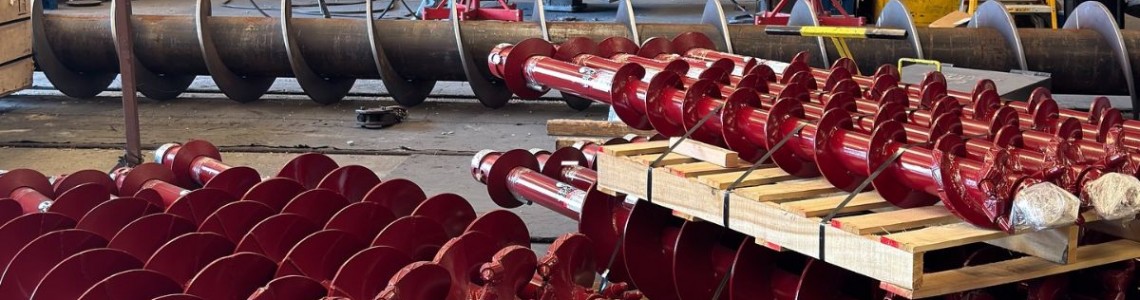
When you’re building a home, the work that happens below grade often decides how smoothly everything above grade comes together. That’s where the benefits of using augers in housing construction show up fast: cleaner holes, steadier footing and pier prep, and fewer slowdowns when schedules are tight.
Instead of wrestling with inconsistent hand-dug holes or messy spoil piles, crews can drill more uniform openings that are easier to measure, inspect, and build on.
Faster, Cleaner Work at the Foundation Stage
Auger attachments are built to remove material efficiently, and that efficiency matters most when you’re setting the foundation for the entire project.
Quicker Hole Drilling
For many residential builds, augers are used to drill holes for deck footings, porch supports, fence lines, sonotube piers, and other structural elements tied into the foundation plan. With the right diameter and tooth configuration, an auger can cut to depth quickly and consistently.
Cleaner Excavation
A well-matched auger tends to produce round, uniform holes and removes spoil as it drills. That can reduce the “cleanup time” you might otherwise spend reshaping holes by hand or correcting over-dug areas. When the excavation is cleaner from the start, the layout stays truer, and the follow-on work is less likely to snowball into delays.
More Predictable Production in Mixed Soils
Residential sites rarely offer perfect conditions from corner to corner. You might hit clay in one area or encounter roots and construction debris on infill lots. While no tool eliminates variability, augers can make output more consistent by keeping cutting action and spoil removal steady. Predictability is a quiet advantage, because it makes scheduling less of a guess.
Better Accuracy for Layout Alignment
Once you’ve snapped lines and marked locations, you want the excavation to match the planned layout. Augers help translate layout into real, measurable holes that are easier to verify before you pour or set hardware.
Straighter Holes
If you’ve ever tried to set a tube or post into a hole that wandered, you know how quickly alignment becomes a time sink. Augers can help create straighter holes that accept sonotubes and post bases with fewer adjustments. This accuracy can also improve the look of finished exterior work.
Easier Pre-Pour Checks and Documentation
Home builds often involve inspections at key milestones. A uniform hole pattern is easier to measure, photograph, and document, which can help you confirm compliance before concrete shows up. Even when inspections are routine, a smoother verification keeps the pace up and reduces the odds of getting stuck waiting on a correction.
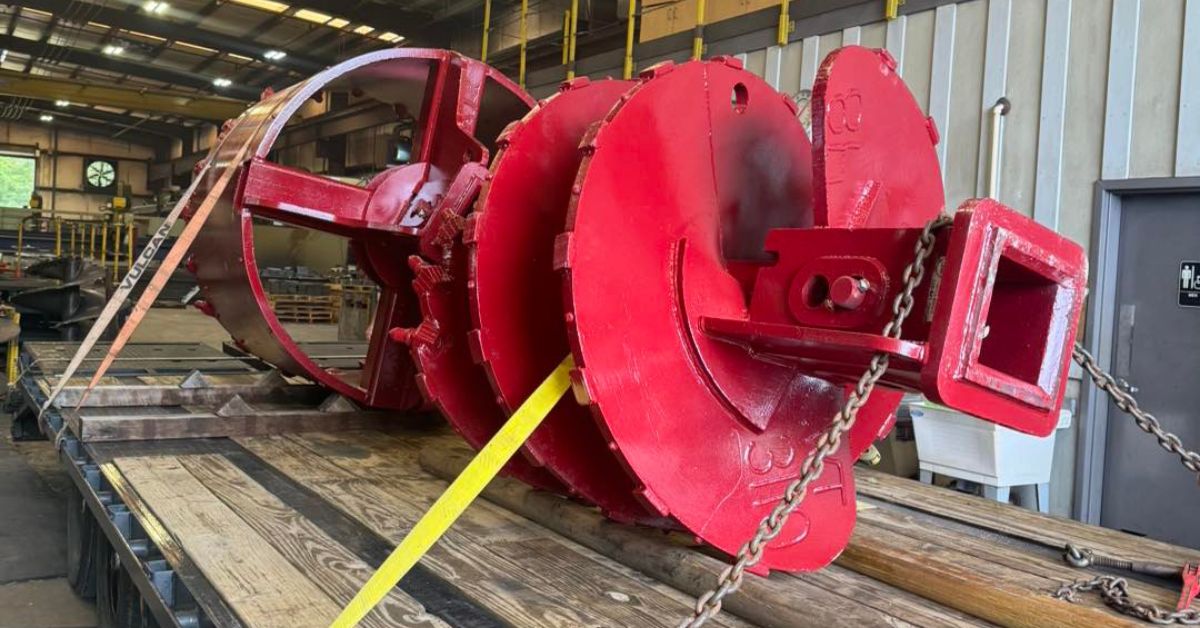
Improved Safety and Less Physical Strain on Crews
Housing construction has plenty of work that’s hard on the crews’ bodies. Augers can take some of the most demanding digging tasks and move them into a more controlled process.
Less Hand Digging
When a job calls for dozens of footing holes, hand digging can wear crews down fast. Using an auger attachment reduces repetitive shoveling and post-hole digging, helping reduce fatigue over the course of a day. Less fatigue typically means better attention to detail and fewer mistakes as the work continues.
More Controlled Material Handling
Because an auger brings spoil up and out of the hole during drilling, you can manage where that material goes instead of constantly chasing it with shovels. That can keep work areas clearer and reduce slip-and-trip hazards around open holes. A tidier drilling area also helps other tradespeople move through the site without interference.
Fewer Risky “Workarounds”
When drilling runs behind, people are more likely to rush or improvise. A faster, steadier drilling process can reduce that temptation by keeping the project moving at a predictable pace. The safer outcome isn’t just about the tool itself, but about what the tool prevents when time starts to squeeze.
Cost Control Through Efficiency and Reduced Downtime
Residential construction margins can get tight, especially when weather, labor availability, and inspections all compete with your timeline.
Lower Labor Hours for Repetitive Excavation Tasks
If you’re drilling multiple holes for footings, piers, or structural supports, the time savings can add up quickly. Fewer hours spent on excavation can free the crew for layout, forming, rebar placement, or other tasks that keep the job progressing. Even on smaller builds, shaving hours early can make later phases less compressed.
Fewer Corrective Fixes After the Fact
Rework is rarely obvious in the estimate, but it always shows up in the field. Misaligned holes, uneven depths, or messy excavations can lead to extra forming, additional concrete, or last-minute adjustments to hardware placement. Cleaner drilling reduces the likelihood of costly fixes, which is one of the most practical benefits you’ll feel throughout the build.
Better Equipment Utilization
Auger attachments can be used on compatible skid steers, mini excavators, tractors, or drill rigs, depending on the setup. When a single attachment can support multiple drilling needs on the same site, you can plan equipment use more effectively. The goal is to keep machines working, not waiting, and keep crews moving instead of resetting constantly.
Versatility for Common Residential Builds
Homebuilding isn’t one-size-fits-all. The same neighborhood can include slab-on-grade homes, crawl spaces, detached garages, and decks. Augers fit into that variety because they’re adaptable to a range of tasks and sizes.
Wide Range of Diameters
From smaller holes for fence posts and deck footings to larger diameters for certain pier applications, augers can be selected to match the work. That flexibility is helpful when a build includes multiple structures or when site plans change midstream. Instead of forcing one approach everywhere, you can match the hole size to the requirement.
Helpful for Tight Access
Many residential drilling tasks happen in areas where larger excavation tools struggle to reach. Backyards, side yards, and lots with existing landscaping can limit access. Using an auger attachment on a compact carrier can make drilling in tight spaces easier, helping you avoid tearing up areas you don’t want to disturb.
Better Handling of Challenging Ground
Some sites have rocky layers, dense clay, or heavy root systems that slow drilling down. In those conditions, the right teeth, cutting edges, and attachment configuration matter. If you’ve ever watched drilling performance change dramatically with a better-matched setup, you know it’s less about brute force and more about using tooling that suits the ground.
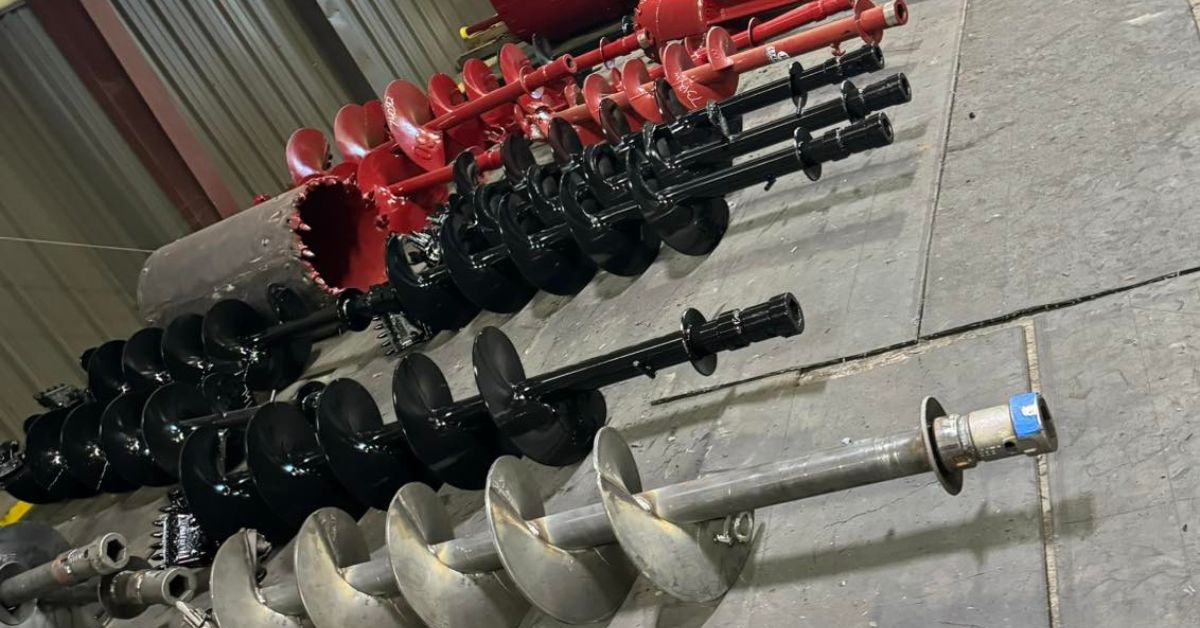
Cleaner Build, Better Pace
In housing construction, the work you do below grade often sets the pace for everything that follows. The benefits of using augers in housing construction show up in the details: faster hole drilling for footings and piers, more consistent depths and diameters, and cleaner excavation that reduces rework before concrete is placed. When holes are uniform and easier to verify, crews can stay on schedule and true to the layout.
Jeffrey Machine offers custom auger flighting solutions tailored to your specific project, helping you drill cleaner, more consistent holes and keep footing and pier work on track. Contact us and share your equipment details, hole requirements, and ground conditions, and our team at Jeffrey Machine can help match the flighting exactly to your needs.