

A Complete Guide to the Different Foundation Drilling Tools
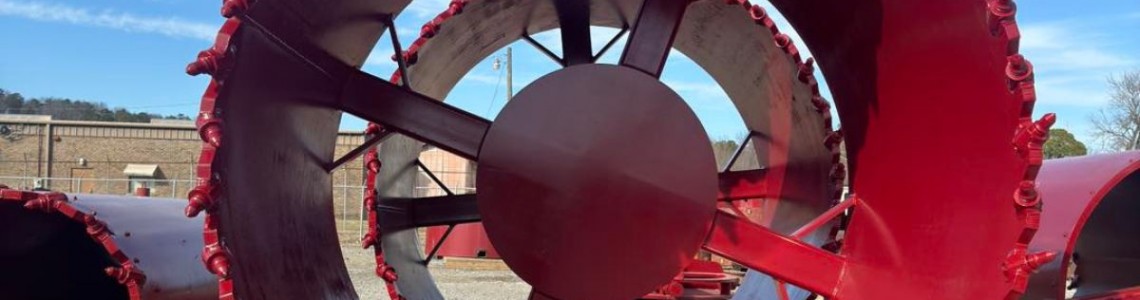
Foundation drilling is rarely a straightforward task. It demands high-level coordination among engineers, project managers, and drill operators to navigate complex variables such as soil composition, weather conditions, and proximity to existing structures. Even a minor miscalculation in tool selection can turn a routine job into a logistical nightmare.
When you are facing tough ground conditions, the difference between a profitable project and a delayed one often comes down to the equipment you choose. This complete guide to the different foundation drilling tools helps clarify these choices, ensuring you have the right equipment to maintain efficiency and precision on the job site.
Drilling Buckets: Mastering Cohesive Soils
Drilling buckets are arguably the workhorses of foundation drilling, particularly when dealing with cohesive soils, silt, and clay. These tools are designed to cut into the ground and collect the material inside a cylindrical body, which is then lifted to the surface and emptied. They are especially effective in deep boreholes and situations involving groundwater, where retaining the spoil is critical.
The Role of Soil Buckets
Standard soil buckets are engineered for softer ground conditions. They typically feature a bottom gate mechanism that opens to discharge the collected soil. The efficiency of a soil bucket depends largely on its ability to cut cleanly and fill without creating a suction vacuum that hinders withdrawal.
For operators working in sticky clay, selecting a bucket with an optimized opening mechanism is vital to prevent the material from compacting inside the tool and causing it to refuse to discharge.
Rock Buckets for Harder Layers
When the ground transitions from soft soil to gravel or weathered rock, standard soil buckets may struggle, but rock buckets can bridge this gap. They are reinforced with heavier steel and equipped with durable cutting teeth or bullet bits designed to fracture harder material. The geometry of a rock bucket allows it to grind through obstructions that would damage a lighter tool, collecting the debris for removal.
Cleanup Buckets
Once primary drilling is complete, the borehole bottom must be clean to ensure the pile's structural integrity. Cleanup buckets are designed specifically for this final stage. They lack the aggressive cutting teeth of rock buckets but feature a flat bottom design intended to scoop up loose debris, sediment, and spoil that has settled at the base of the hole.
Core Barrels: Penetrating Hard Rock
When conventional buckets meet their match in solid bedrock or high-strength boulders, the core barrel becomes the tool of choice. Rather than grinding the entire face of the rock, a core barrel cuts a circular groove, or kerf, to create a rock core.
How Core Barrels Function
The primary advantage of a core barrel is its efficiency in hard strata. By cutting only the hole perimeter, the tool requires less torque and downforce than full-face drilling methods. Once the core is cut to a sufficient depth, it can be broken off and retrieved or crushed using a different tool.
Design Variations
Core barrels come in various configurations depending on the rock hardness. Standard units use bullet teeth arranged on the cutting ring, while more aggressive designs incorporate roller bits for extremely abrasive or hard formations. For challenging projects, reinforced core barrels with customized tooth configurations and shell heights provide the durability needed to withstand intense wear and tear.
Drilling Augers: Efficiency in Dry Conditions
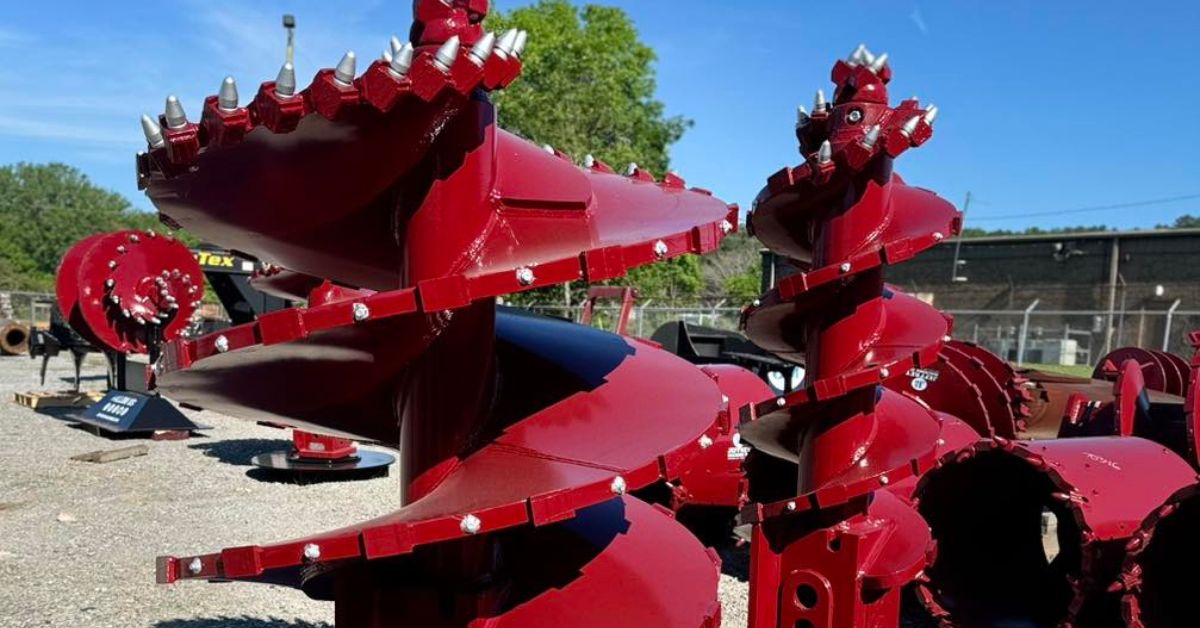
Augers are synonymous with speed. In dry borehole applications involving loose soil, sand, or soft rock, an auger’s helical design allows for rapid material transport. Unlike buckets, which must be lifted and emptied frequently, augers can continuously move spoil up the flighting, making them highly productive in the right conditions.
Soil and Rock Augers
The distinction between soil and rock augers lies primarily in the flight geometry and cutting teeth. Soil augers typically feature flat teeth and a geometry that encourages the flow of loose material. Rock augers, however, are equipped with round shank chisels or bullet teeth. These are positioned to fracture the rock as the auger rotates, allowing the flights to carry the chips to the surface.
Flight Configurations
Operators must also choose between single-cut and double-cut designs. A single-cut auger generally offers faster penetration rates in softer soils. In contrast, a double-cut auger provides better balance and a straighter hole, which is beneficial in harder or more variable ground. Additionally, the choice between single-flight and double-flight variations affects the tool’s capacity to carry spoil and its resistance to clogging.
Continuous Flight Augers (CFA)
For projects where speed and ground stability are vital, the Continuous Flight Auger (CFA) system offers a unique advantage. This method involves drilling with a long, continuous auger stem. Concrete is pumped through the hollow stem as the auger is withdrawn, effectively casting the pile in a single continuous motion.
This technique is particularly useful in unstable soils where an open hole might collapse. By replacing the soil with concrete immediately during extraction, the CFA method eliminates the need for temporary casing, saving both time and material costs.
Selecting the Right Tool for the Job
Choosing the correct foundation drilling tool is rarely about picking a single item from a catalog. It involves a careful analysis of the project's specific constraints. You must consider the required hole depth and diameter, as well as the site layout. A constrained urban site might limit the size of the rig and, consequently, the tools it can operate.
Furthermore, geological reports are your roadmap. If the soil report indicates layers of wet, sandy clay followed by limestone, your tooling plan must account for both. You can start with a drilling bucket to handle the wet upper layers, then switch to a core barrel or rock auger once you encounter the limestone.
At Jeffrey Machine, we understand that the right tool is critical for project success. Our extensive catalog includes a wide range of foundation drilling tools, from the versatile drilling bucket designed for cohesive and non-cohesive soils to specialized rock augers and core barrels for challenging geological formations. Explore our product offerings or contact our technical team for a consultation today!
Optimizing Your Drilling Operations
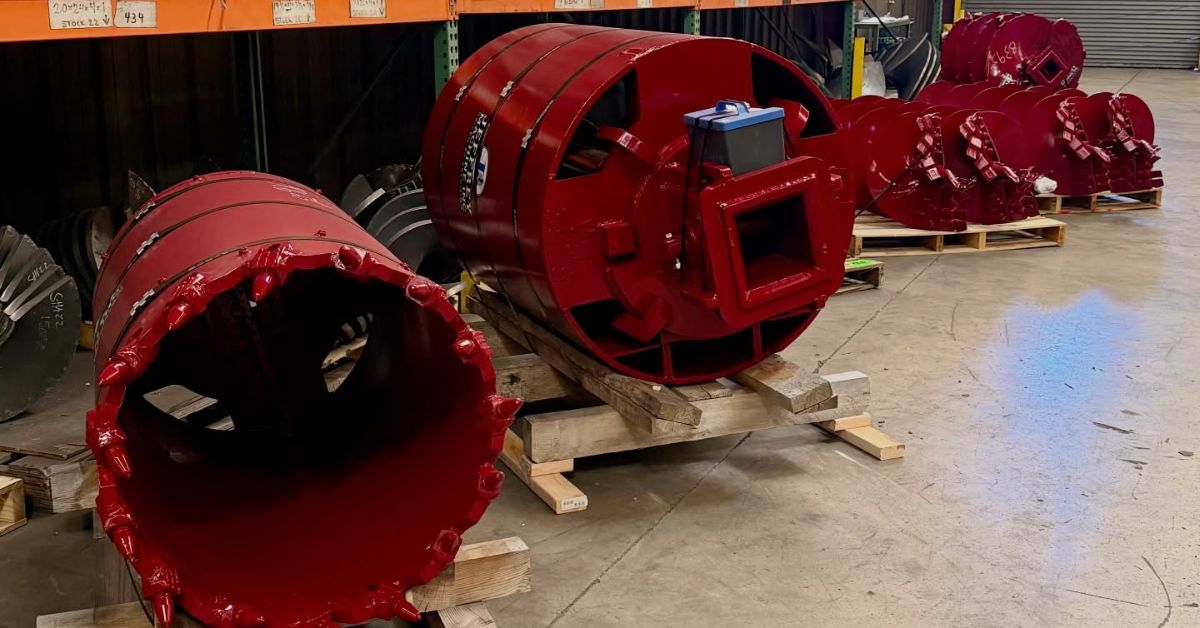
Success in foundation drilling is a cumulative result of small, correct decisions. From understanding the site’s geological nuances to selecting between a rock bucket and a core barrel, every choice affects the project and the site. By prioritizing high-quality equipment and adhering to proper maintenance protocols, contractors can minimize downtime and maximize productivity.
Whether you are excavating for a skyscraper or a bridge, having a deep understanding of the different foundation drilling tools ensures that your project is built on a solid footing.