

7 Essential Techniques and Tools for Excavating Rock
Hard sites move faster when crews treat rock like a material with rules. Using these seven essential techniques and tools for excavating rock gives you a plan that holds up when resistance climbs and wear shows up early. Rock does not forgive mismatched tooling, and it will expose weak process controls in a single shift. Once you choose a break strategy that fits the formation, production becomes more predictable, and cleanup becomes less disruptive.
Diagnose Rock Behavior Before You Commit
Rock excavation gets easier when you start with a quick read of how the face wants to fail. That first assessment saves time later because it tells you which tools will transfer energy effectively. When you skip this step, you often waste hours proving what will not work. A short diagnostic also reduces crew uncertainty, helping you manage exclusion zones and plan safer sequencing.
Use Test Cuts to Predict Production
Start with a small test to see how the rock responds. If the tool polishes the surface, drilling or stronger breaking may be needed. When the face pops along seams, less energy and fewer wear-part swaps loosen the material. Early feedback helps you stage the right tooth package and tool steel, improving planning and reducing mid-shift reacting.
.jpg)
Stage the Core Tool Set That Rock Excavation Requires
Rock work stays productive when your tooling lineup covers the problems you are most likely to face. You do not need every attachment on the market, but you do need options that let you pivot without losing half a day. When you treat wear parts as production inventory, you reduce avoidable downtime and maintain the excavation rhythm. Here are some common tools crews rely on for rock excavation:
- Dozer ripper or excavator ripper for pre-loosening fractured rock
- Hydraulic hammer or breaker with the right tool steel for the rock type
- Rock saw or chain trencher for controlled cuts and clean edges
- Rotary drill or down-the-hole hammer for straight holes in hard rock
- Wedges and feathers or hydraulic splitters for controlled splitting
- Screening, sizing, and dust control tools to keep material and air manageable
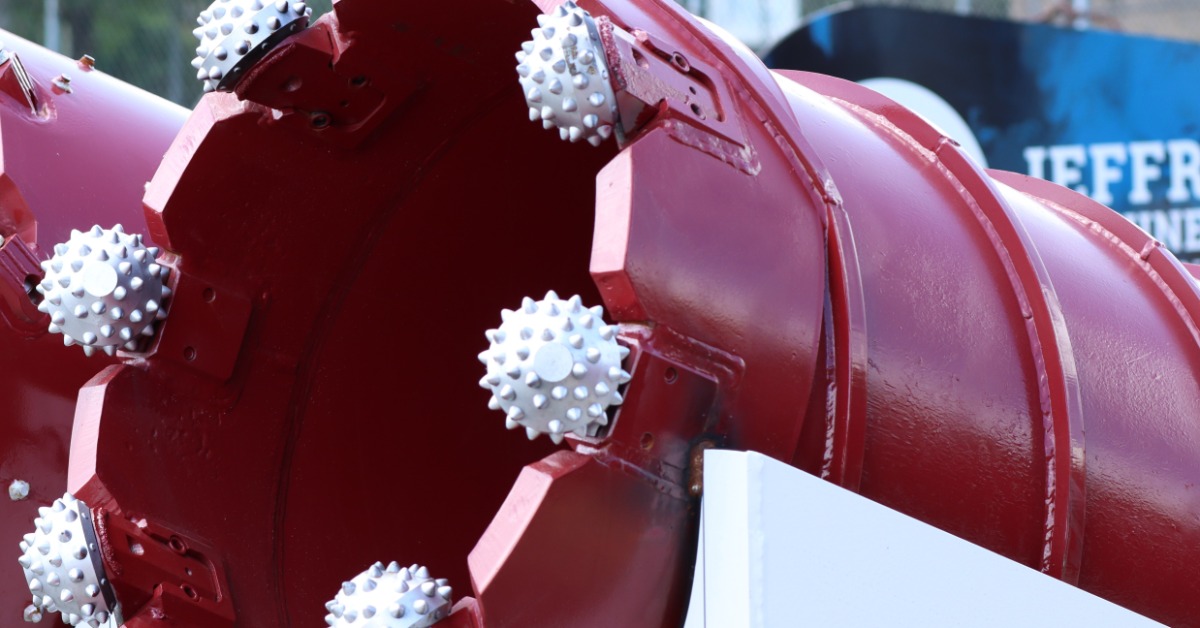
- Foundation auger with rock-capable teeth for drilled piers and sockets in rock
Rip Fractured Rock to Reduce Breaking Time
Ripping can deliver strong production when the rock already contains weaknesses that open under load. When this method fits the site, it often dramatically reduces breaker hours. It also helps the loading phase because loosened rock tends to come out in pieces that the bucket can manage without prying. You should still treat ripping as a test, since the rock will tell you quickly whether the shank can penetrate or only skate.
Use Ripping Patterns That Improve Fragment Size
A planned rip pattern creates a more uniform release, making loading faster and less erratic. When you align the rip direction with natural planes, the rock separates with less wasted energy. That lower effort reduces undercarriage stress and limits unnecessary track spin. If you rip without a plan, you often create a mix of fragment sizes that forces secondary breaking near the pile.
Break Competent Rock With Hydraulic Hammers
When ripping does not move the face, a hydraulic breaker can deliver consistent fragmentation. Impact energy works best when you place it intentionally, because strike location controls how cracks propagate. Poor placement often results in oversized pieces that clog the workflow and slow hauling. Break toward a free face whenever possible.
Choose Tool Steel and Strike Strategy With Purpose
Tool steel selection changes how the breaker interacts with the rock, so it should follow the result you want. A maul point can initiate cracks in hard, massive material, while a chisel often cleans an edge or seam more cleanly. Keep the tool aligned and avoid prying, since side-loading increases wear in bushings and mounts. When the breaker transfers energy efficiently, you get faster breakage and fewer maintenance interruptions.
Cut Rock When You Need Clean Lines and Tight Control
Cutting tools earn their place when the job demands accuracy near structures or utilities. A clean cut defines the boundary, helping limit overbreak and reducing the volume you must haul and replace. This method can cost more up front, yet it often saves money by avoiding cleanup that drags into the next phase.
Choose Between Rock Saws and Chain Trenchers
Use a rock saw when you need a crisp edge and a controlled kerf that guides later breakage. A chain trencher is ideal for long linear runs where consistent depth matters more than a perfect wall finish. Cutting first can also improve fragmentation when followed by breaking, since the kerf creates a stress line that helps the rock release. That effect often shows up as fewer oversized pieces and smoother loading.
Drill for Controlled Fracture and Predictable Splitting
Drilling changes the behavior of rock by inserting weakness exactly where you want it. That control leads to more predictable breakage, which reduces time spent resizing boulders after the fact. When you drill with purpose, you can shape the excavation rather than chase it.
Use Line Drilling, Wedges, and Hydraulic Splitters
Line drilling creates a plane of weakness, and consistent spacing helps the crack follow that line. Plug-and-feather systems apply expanding force gradually, which supports controlled release with minimal vibration. Lastly, hydraulic splitters increase force inside the hole, which can speed production in tougher rock while keeping noise lower than constant hammering. Study the material carefully and choose the one that best fits the project.
Use Drill-and-Blast When Rock Strength Demand It
Blasting can move large volumes quickly because it creates primary fragmentation across the bench. However, the benefit fades when the pattern produces oversize blocks that demand extensive secondary breaking. Good blast design controls energy distribution, which influences fragment size and toe conditions. When conditions allow, the method and the plan remain disciplined, and blasting often delivers the highest production rates.
Keep Rock Production Predictable From Start to Finish
Rock work stays manageable when you treat it as a controlled process rather than a daily improvisation. Start by reading the face, then choose the method that creates the break you want. That decision drives fragment size and loading speed. As you move through the cut, keep tooling staged and wear parts ready so performance does not fade mid-shift. When you apply the seven essential techniques and tools for excavating rock this way, you reduce secondary breaking, protect grade control, and keep the job moving with fewer interruptions.
Ready to apply these techniques? Jeffrey Machine offers foundation auger tools that fit your material and site, so you can keep drilling productive when rock conditions start driving load and wear. The right tooth package helps you maintain bite instead of forcing the carrier, which supports cleaner holes and steadier cycle times. Visit our product pages to review configurations, then contact us with your diameter and ground details so we can match the right build to your job.